


Understanding Autism Awareness Month
April marks Autism Awareness Month, a time dedicated to increasing understanding and acceptance of autism spectrum disorder (ASD) and promoting support for individuals living with autism. As we commemorate Autism Awareness Month, it’s essential to highlight the intersectionality between autism and mental health. This article delves into the significance of Autism Awareness Month in raising awareness about mental health challenges faced by individuals on the autism spectrum and the importance of fostering a supportive and inclusive environment for their well-being, applicable to Overland IOP’s mission of providing comprehensive mental health care.
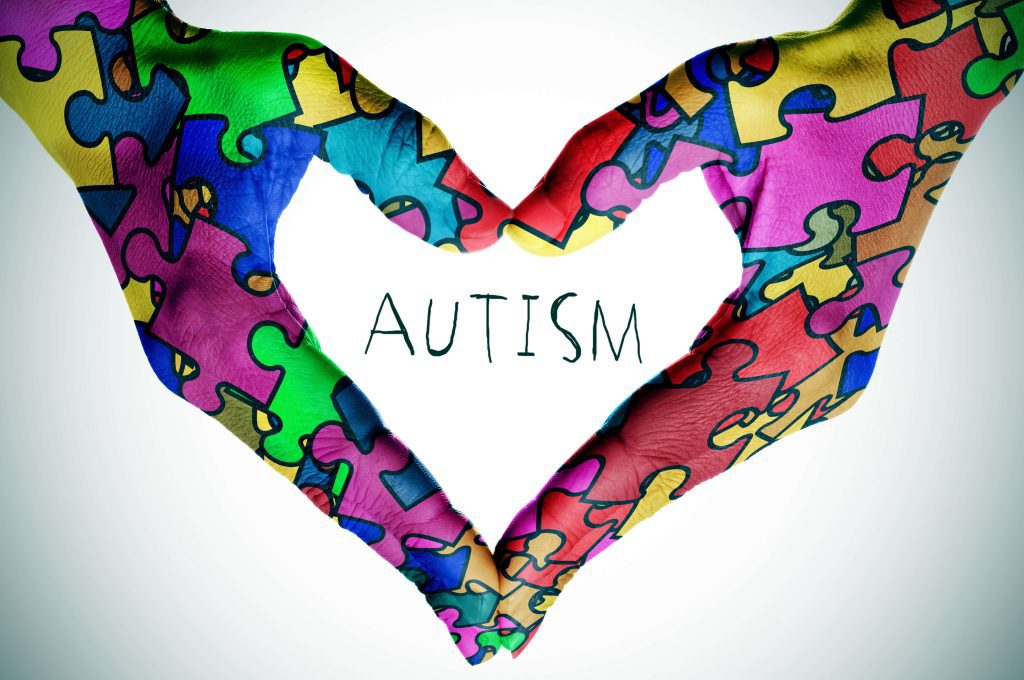
Understanding Autism Spectrum Disorder
Autism spectrum disorder is a developmental condition characterized by challenges in social interaction, communication, and repetitive behaviors. While symptoms and severity vary widely among individuals, one commonality is the impact on mental health. Many individuals on the autism spectrum experience co-occurring mental health conditions, such as anxiety, depression, ADHD, and sensory processing issues. These challenges can significantly affect their daily lives and overall well-being.
The Importance of Autism Awareness Month
Autism Awareness Month serves as a platform to educate the public about autism and dispel misconceptions surrounding the disorder. By increasing awareness and understanding, we can create a more inclusive society that embraces neurodiversity and provides support and acceptance for individuals with autism. Additionally, Autism Awareness Month provides an opportunity to advocate for better access to resources, services, and mental health support for individuals on the autism spectrum, aligning with Overland IOP’s commitment to comprehensive mental health care.
Addressing Mental Health Needs
One of the significant challenges faced by individuals with autism is accessing appropriate mental health care. Due to communication barriers, sensory sensitivities, and difficulty expressing emotions, many individuals on the autism spectrum struggle to articulate their mental health needs effectively. As a result, mental health issues may go unrecognized or untreated, leading to further distress and isolation. To address these challenges, it is essential to prioritize mental health support tailored to the needs of individuals with autism, a crucial aspect of Overland IOP’s holistic approach to mental health care.

Promoting Inclusivity and Acceptance
As we observe Autism Awareness Month, let us reaffirm our commitment to creating a world where individuals with autism are celebrated for their unique talents and contributions. By promoting inclusivity and acceptance, we can create a society where everyone, regardless of neurodiversity, feels empowered to thrive. Together, we can work towards a future where mental health support is accessible to all individuals, including those on the autism spectrum, in alignment with Overland IOP’s dedication to providing comprehensive and inclusive mental health care.


Autism Awareness Month serves as a vital reminder of the importance of understanding and supporting individuals with autism, especially concerning their mental health needs. By raising awareness, advocating for resources, and promoting inclusivity, we can create a more compassionate and supportive world for individuals on the autism spectrum. Let us use this opportunity to amplify their voices, celebrate their strengths, and foster a culture of acceptance and empathy, reflecting Overland IOP’s commitment to holistic mental health care.
Published: April 06, 2024
Last Updated: August 24, 2025




Published: April 11, 2026
IOP for OCD in Los Angeles, California
Obsessive-compulsive disorder affects approximately 2.5 million adults in the United States, yet it is one of the most misunderstood and undertreated mental health conditions. People with OCD experience intrusive, unwanted thoughts (obsessions) that produce intense anxiety, followed by repetitive behaviors or mental rituals (compulsions) performed to reduce that anxiety. The cycle is self-reinforcing: compulsions provide […]
Read more
Published: April 01, 2026
IOP for Bipolar Disorder in Los Angeles, California
Bipolar disorder affects approximately 4.4% of U.S. adults at some point in their lives, according to the National Institute of Mental Health. It is one of the most complex mood disorders to treat because it involves cycling between distinct emotional states (depressive episodes, manic or hypomanic episodes, and mixed episodes) each requiring different clinical approaches. […]
Read more
Published: March 28, 2026
IOP Program for Anxiety in Los Angeles
Anxiety disorders affect roughly 40 million adults in the United States each year, making them the most common category of mental health conditions in the country. Yet fewer than 37% of people with anxiety disorders receive treatment, according to the National Institute of Mental Health. Many of those who do seek help start with weekly […]
Read more