


What Is DPD? Understanding Dependent Personality Disorder
Most people don’t ask, “What is DPD or Dependent Personality Disorder?” They come in feeling drained, anxious, and stuck in relationships that feel restrictive yet hard to leave. Being alone feels unsettling. Decision-making feels paralyzing. Reassurance becomes a daily necessity rather than a comfort.
At Overland IOP in Los Angeles, we often see Dependent Personality Disorder (DPD) quietly operating in the background—fueling anxiety, depression, and sometimes substance use—long before someone realizes there’s a name for what they’re experiencing. Understanding DPD can be a relief. It helps people recognize that these patterns aren’t personal failures. They’re learned survival strategies—and they can be unlearned.

What is DPD or Dependent Personality Disorder?
DPD or Dependent Personality Disorder is a recognized mental health condition defined in the DSM-5-TR, the diagnostic guide used by mental health professionals. It’s part of what clinicians call Cluster C personality disorders, which are driven primarily by fear and anxiety.
At its core, DPD is about a deep belief that you can’t function on your own. People with DPD often feel incapable of making decisions without guidance, reassurance, or approval from someone else. The fear of being alone isn’t just uncomfortable—it can feel genuinely frightening.
This doesn’t mean someone with DPD is weak or incapable. In fact, many are highly competent, caring, and emotionally intelligent. The struggle lies in trusting themselves.
How DPD or Dependent Personality Disorder Shows Up in Real Life
DPD or Dependent Personality Disorder often hides in plain sight because it can look like loyalty, devotion, or being “easygoing.”
Someone might stay in a relationship long after it becomes unhealthy because the idea of being alone feels unbearable. Another person may avoid disagreeing at work or in friendships, even when it costs them emotionally, because conflict feels too risky. Everyday decisions—what to say in an email, whether to take a job opportunity, how to handle a disagreement—can trigger intense anxiety unless someone else confirms the “right” choice.
Over time, this constant self-doubt becomes exhausting. Many people describe feeling like they’re living life through other people’s expectations rather than their own.
Where Does DPD or Dependent Personality Disorder Come From?
There isn’t a single cause of DPD or Dependent Personality Disorder. Like many personality disorders, it tends to develop through a combination of early life experiences, attachment patterns, and temperament.
People who grew up with overprotective, controlling, or highly critical caregivers may not have had the opportunity to develop confidence in their own decision-making. Others experienced emotional neglect or instability and learned early on that staying close to others—at any cost—felt safer than standing on their own.
Research summarized by the National Institute of Mental Health shows that personality disorders form over time, shaped by both environment and biology. They are not something a person chooses, and they are not fixed for life.
Why DPD or Dependent Personality Disorder Often Comes With Anxiety, Depression, or Substance Use
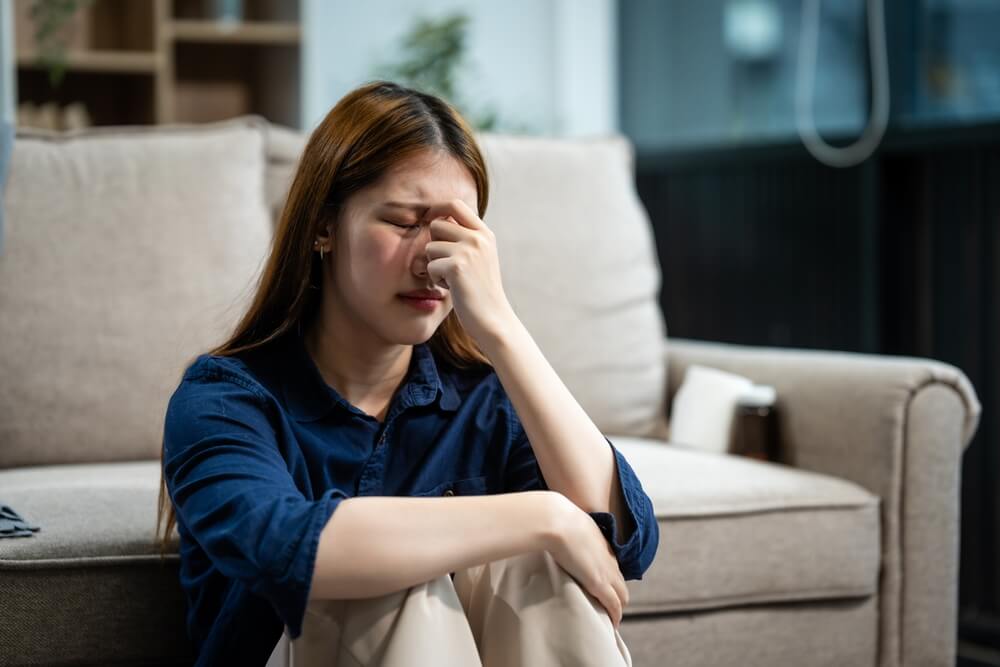
Living with constant fear of abandonment takes a toll. It’s very common for DPD or Dependent Personality Disorder to exist alongside anxiety disorders or depression. Some people also turn to alcohol or substances as a way to quiet the fear, cope with relationship stress, or manage the emotional weight of feeling incapable on their own.
In these cases, treating only anxiety or substance use—without addressing the underlying dependency patterns—often leads to relapse or ongoing distress. That’s why integrated care matters.
How DPD Is Diagnosed
There’s no test or questionnaire that can definitively diagnose DPPD or Dependent Personality Disorder in a single visit. Diagnosis involves careful clinical assessment over time by a licensed mental health professional.
The American Psychiatric Association emphasizes that personality disorders are identified based on long-term patterns, not just short-term stress or crisis reactions. This is one reason many people live with DPD for years before receiving an accurate diagnosis.
What Treatment for Dependent Personality Disorder Looks Like
The most important thing to know is this: DPD or Dependent Personality Disorder is treatable. Therapy focuses on helping people build confidence in their own judgment, tolerate being alone without panic, and develop healthier boundaries in relationships. Treatment is not about pushing independence overnight. It’s about practicing autonomy gradually, in a safe and supportive environment.
At Overland IOP, therapy often explores where dependency patterns began, how they show up today, and what healthier alternatives look like in real life. Group therapy can be especially powerful, as it allows people to practice assertiveness, self-trust, and connection without over-reliance.
Medication may be helpful when anxiety or depression is present, but therapy remains the foundation of treatment.
How Overland IOP in Los Angeles Can Help
Overland IOP provides structured mental health treatment without requiring clients to step away from their daily lives. For individuals with DPD or Dependent Personality Disorder, this balance is often essential.
Our Intensive Outpatient Program allows clients to work on autonomy, emotional regulation, and relationship patterns while still navigating real-world responsibilities. Treatment is collaborative, compassionate, and grounded in evidence-based care.
Get DPD Support In-Person in Los Angeles or Remotely Throughout California
If you’re exploring treatment for DPD or Dependent Personality Disorder or related mental health challenges, Overland IOP in Los Angeles is here to help. You don’t have to figure this out alone—and you don’t have to stay this way.


When It Might Be Time to Reach Out & What Recovery From DPD Really Means?
If fear of being alone, constant self-doubt, or unhealthy relationship patterns are affecting your mental health—or if anxiety, depression, or substance use are part of the picture—it may be time to talk to a professional.
Support can make the difference between staying stuck in survival mode and building a life that feels stable, balanced, and self-directed.
Recovery doesn’t mean becoming emotionally distant or never relying on others again.
It means learning that you can rely on yourself and others. It means making decisions without overwhelming fear, setting boundaries without guilt, and choosing relationships because they’re healthy—not because being alone feels unbearable.
For many people, this work is life-changing.
Published: January 27, 2026
Last Updated: February 15, 2026




Published: February 14, 2026
Medication-Assisted Treatment (MAT): How It Works?
Summary: Medication-assisted treatment (MAT) is an evidence-based approach to addiction treatment that combines FDA-approved medications with behavioral therapy and counseling to treat substance use disorders — primarily opioid and alcohol addiction. MAT is endorsed by the Substance Abuse and Mental Health Services Administration (SAMHSA), the National Institute on Drug Abuse (NIDA), and the World Health […]
Read more
Published: February 06, 2026
Talk Therapy: Types, Benefits & How It Works in California
Summary: Talk therapy — also known as psychotherapy — is a structured, evidence-based treatment approach in which a trained mental health professional helps individuals identify, understand, and change the thoughts, emotions, and behaviors that contribute to mental health conditions and substance use disorders. It is the foundation of treatment for depression, anxiety, PTSD, personality disorders, […]
Read more
Published: January 27, 2026
What Is DPD? Understanding Dependent Personality Disorder
Most people don’t ask, “What is DPD or Dependent Personality Disorder?” They come in feeling drained, anxious, and stuck in relationships that feel restrictive yet hard to leave. Being alone feels unsettling. Decision-making feels paralyzing. Reassurance becomes a daily necessity rather than a comfort. At Overland IOP in Los Angeles, we often see Dependent Personality […]
Read more