


IOP for Substance Abuse and Co-Occurring Disorders in Los Angeles, California
Substance use disorders do not develop in a vacuum. Behind nearly every addiction, whether to alcohol, opioids, benzodiazepines, methamphetamine, cocaine, or prescription medications, there is an underlying mental health condition that either precipitated the substance use, emerged alongside it, or was worsened by it. According to the National Institute on Drug Abuse, approximately half of individuals with a substance use disorder also have a co-occurring mental health condition. Depression, anxiety, PTSD, bipolar disorder, and personality disorders are the most common.
Treating substance use without addressing the co-occurring mental health condition leaves the engine of addiction intact. This is why integrated dual diagnosis treatment produces significantly better outcomes than addressing addiction and mental health separately.
Overland IOP in Los Angeles provides a substance abuse IOP that treats addiction and co-occurring mental health conditions simultaneously within a single clinical framework, using evidence-based modalities delivered by a multidisciplinary team.
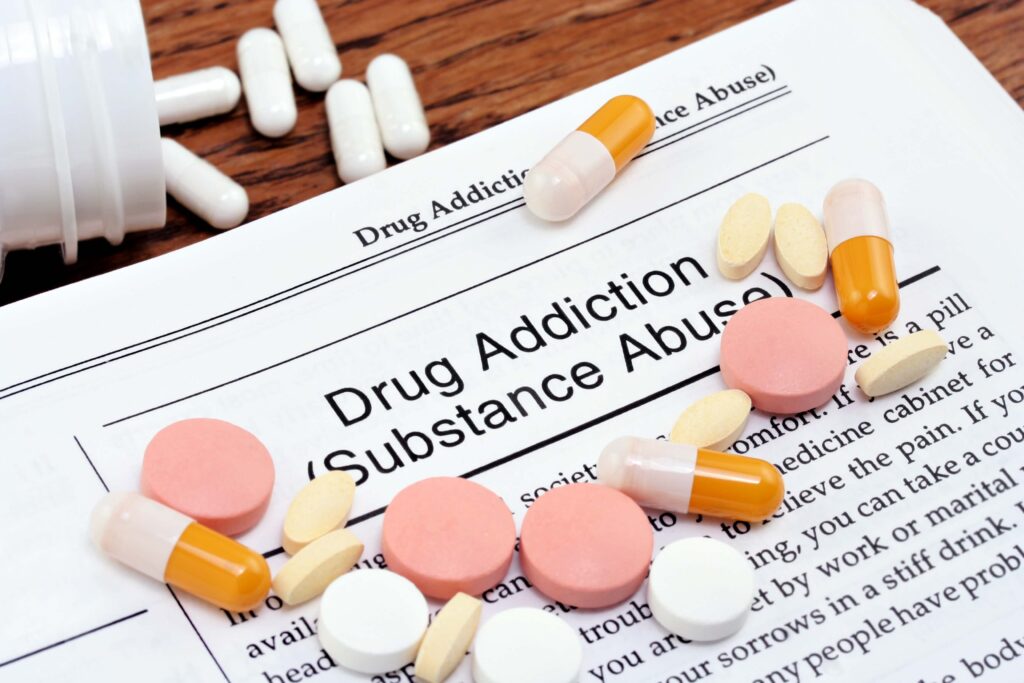
What Is a Substance Abuse IOP?
A substance abuse IOP (intensive outpatient program) is a structured outpatient treatment model that provides approximately 3 hours of clinical programming per day, 3 to 5 days per week, for individuals struggling with drug or alcohol addiction. Unlike residential or inpatient treatment, IOP allows patients to live at home and continue managing daily responsibilities while receiving intensive clinical support.
At Overland IOP, substance abuse treatment is never siloed from mental health treatment. Every patient receives a comprehensive assessment that evaluates both substance use patterns and co-occurring psychiatric conditions. Treatment plans address both dimensions simultaneously because the conditions are interconnected and treating them in isolation produces incomplete results.
Who Benefits from Substance Abuse IOP?
A substance abuse IOP at Overland is appropriate for individuals who meet one or more of the following criteria:
Stepping down from detox or residential treatment. IOP provides the structured support needed to maintain sobriety and continue skill-building during the transition back to daily life. This is one of the most vulnerable periods in recovery, and the gap between residential discharge and the next level of care is where many people relapse.
Moderate substance use that does not require medical detox. Not every person with a substance use disorder needs inpatient detox. Individuals with moderate alcohol or drug use who can safely manage withdrawal under outpatient supervision may enter IOP as their primary level of care.
Co-occurring mental health conditions alongside substance use. Depression that drives drinking. Anxiety that drives benzodiazepine use. PTSD that drives opioid use. When mental health and addiction are intertwined, IOP’s frequency of contact (3 to 5 days per week) allows the clinical team to monitor both conditions in real time and coordinate treatment accordingly.
Previous treatment without lasting results. If you have completed a treatment program before and relapsed, it may be because the underlying mental health condition was not adequately addressed. Overland IOP’s dual diagnosis approach directly targets this gap.
Substances Treated at Overland IOP
Overland IOP treats addiction to a wide range of substances, including:
Alcohol. Alcohol addiction is a physical and psychological dependence that frequently co-occurs with depression, anxiety, and trauma. Overland’s alcohol treatment addresses the emotional and relational patterns that sustain drinking, not just the behavior itself.
Opioids and heroin. Opioid addiction, whether involving prescription painkillers like oxycodone and fentanyl or heroin, is a potentially fatal disease that requires integrated medical and psychological treatment. Medication-assisted treatment (MAT) may be coordinated as part of the overall care plan.
Methamphetamine. Meth addiction is one of the most difficult addictions to overcome due to the profound neurological changes the drug produces. Overland’s treatment approach addresses the cognitive impairment, emotional volatility, and psychotic symptoms that can accompany meth use and withdrawal.
Cocaine. Cocaine addiction involves intense psychological dependence and is frequently associated with co-occurring mood disorders, anxiety, and impulsive behavior patterns.
Prescription drugs. Prescription drug abuse, including benzodiazepines, stimulants, and prescription opioids, involves using medication in ways or amounts other than prescribed, often driven by underlying anxiety, pain, or attention disorders that require separate clinical attention.
Behavioral addictions. Overland also treats behavioral addictions including sex addiction and gambling addiction, which share neurological pathways with substance addictions and frequently co-occur with mood and anxiety disorders.
How Overland IOP Treats Substance Abuse and Co-Occurring Disorders
CBT for addiction helps patients identify the triggers, thought patterns, and behavioral chains that lead to substance use. CBT builds the ability to recognize high-risk situations, challenge the automatic thoughts that precede use (“I need a drink to handle this”), and develop alternative responses.
DBT skills address the emotional dysregulation that underlies many substance use patterns. Patients learn distress tolerance (managing intense emotions without using substances), mindfulness (present-moment awareness that interrupts automatic behavior), and interpersonal effectiveness (communicating needs without conflict escalation).
ACT for addiction helps patients clarify their values and commit to behavior aligned with those values, even in the presence of cravings, discomfort, or emotional pain. ACT targets the experiential avoidance that drives substance use, the attempt to escape or numb uncomfortable internal experiences.
Motivational interviewing addresses ambivalence about change. Many patients entering IOP are not fully convinced they need to stop using, or are uncertain about their ability to maintain sobriety. Rather than confronting this ambivalence, motivational interviewing works with it, helping patients find their own reasons and motivation for change.
Group therapy is central to substance abuse treatment at Overland. Recovery groups provide accountability, peer support, and normalization. Hearing others’ stories of addiction and recovery reduces shame and isolation. Process-oriented groups also provide a space to practice honest communication, vulnerability, and conflict resolution, skills that active addiction erodes.
Individual therapy provides space for deeper work on the personal history, trauma, relational patterns, and mental health conditions that drive each patient’s substance use. Not everything is appropriate for group discussion, and individual sessions allow targeted intervention on the most sensitive and clinically complex material.
Medication management with Overland’s psychiatric team addresses both the substance use disorder and the co-occurring mental health condition pharmacologically. This coordination is critical. Prescribing an SSRI for depression without considering the patient’s substance use history, or managing addiction without addressing untreated PTSD, produces fragmented care. At Overland, all medications are managed as an integrated protocol.
Case monitoring ensures that treatment extends beyond the clinical setting. Overland’s case management team coordinates with external providers, assists with practical needs, and helps patients build the support structure needed to sustain recovery after IOP ends.
Dual Diagnosis Treatment: Why Integrated Care Matters
The term “dual diagnosis” refers to the simultaneous presence of a substance use disorder and at least one co-occurring mental health condition. At Overland IOP, dual diagnosis treatment is not a separate track or add-on. It is the standard approach, because the majority of patients presenting with substance use disorders also have co-occurring mental health conditions, whether previously diagnosed or identified for the first time during intake.
Treating addiction without treating depression means the emotional pain that drove the substance use remains. Treating anxiety without treating the benzodiazepine dependence that developed from self-medication means the patient has no functional alternative for managing anxiety. Integrated treatment at Overland addresses both the substance use and the underlying condition in every session, every clinical decision, and every treatment plan update. For more on the science of co-occurring disorders, see the NIDA Principles of Drug Addiction Treatment.
In-Person and Virtual Substance Abuse IOP
Overland IOP provides in-person treatment at 3415 Overland Ave, Los Angeles, CA 90034, with morning, afternoon, and evening tracks. Virtual IOP is available throughout California for patients who cannot attend in person. Hybrid plans that combine in-person and virtual sessions offer additional flexibility.
For patients in early recovery from substance use, the structure and accountability of in-person attendance can be particularly valuable. Physically showing up to treatment, being present with peers, and engaging face-to-face with clinicians creates a level of commitment that supports sobriety. Virtual access provides a safety net for days when attendance might otherwise lapse.
Continuum of Care
Patients who need a higher level of structure may begin in Overland’s PHP (6 hours per day, 5 days per week) before stepping down to IOP. Following IOP, aftercare planning ensures continuity of care through alumni programming, community referrals, and ongoing support. The same clinical team manages care across all levels.
Contact Overland IOP 24/7 at (800) 530-3100. Same-day insurance verification and admissions available. If you need free help, please contact the SAMHSA National Helpline.

Frequently Asked Questions About Substance Abuse IOP
What is a substance abuse IOP?
A substance abuse IOP (intensive outpatient program) provides approximately 3 hours of structured treatment per day, 3 to 5 days per week, for individuals with drug or alcohol addiction. At Overland IOP in Los Angeles, substance abuse treatment includes CBT, DBT, ACT, motivational interviewing, group and individual therapy, medication management, and dual diagnosis treatment for co-occurring mental health conditions. IOP allows patients to live at home while receiving intensive clinical support.
Can IOP treat drug and alcohol addiction at the same time as depression or anxiety?
Yes. Overland IOP uses a dual diagnosis treatment model that addresses substance use disorders and co-occurring mental health conditions simultaneously. Depression, anxiety, PTSD, bipolar disorder, and personality disorders frequently co-occur with addiction and must be treated together for recovery to be sustained. Overland’s clinical team develops an integrated plan that addresses all conditions within a single framework.
Do I need to go through detox before starting substance abuse IOP?
It depends on the substance, the severity of physical dependence, and your medical status. Some patients require medical detox before entering IOP to manage withdrawal safely. Others with moderate use patterns may enter IOP directly. Overland IOP’s clinical team assesses each patient to determine the appropriate starting point and can coordinate detox referrals when medically necessary.
What substances does Overland IOP treat?
Overland IOP treats addiction to alcohol, opioids (heroin, fentanyl, prescription painkillers), methamphetamine, cocaine, prescription drugs (benzodiazepines, stimulants), and behavioral addictions including sex and gambling addiction. All substance-specific treatment is delivered within a dual diagnosis framework that addresses co-occurring mental health conditions.
Is there an evening substance abuse IOP for people who work?
Yes. Overland IOP offers morning, afternoon, and evening scheduling tracks. The evening track allows patients to attend treatment after work without disclosing their participation to employers. Virtual and hybrid options provide additional scheduling flexibility throughout California.
How long does substance abuse IOP last?
IOP at Overland typically spans 8 to 12 weeks. Patients with complex co-occurring conditions, longer substance use histories, or higher relapse risk may benefit from extended treatment. Duration is determined by clinical progress and reviewed weekly using validated outcome measures.

Overland IOP accepts Aetna, Cigna, UnitedHealthcare, Blue Shield of California, Kaiser, TRICARE, SAG-AFTRA, and other major commercial insurance plans. Federal and California state parity laws require equal coverage for substance use treatment. Call (800) 530-3100 for free, same-day insurance verification.
If you need free, confidential help, the SAMHSA National Helpline (1-800-662-4357) offers 24/7 referrals for mental health and substance use treatment in English and Spanish.
Published: May 01, 2026
Last Updated: April 01, 2026



Published: May 01, 2026
IOP for Substance Abuse and Co-Occurring Disorders in Los Angeles, California
Substance use disorders do not develop in a vacuum. Behind nearly every addiction, whether to alcohol, opioids, benzodiazepines, methamphetamine, cocaine, or prescription medications, there is an underlying mental health condition that either precipitated the substance use, emerged alongside it, or was worsened by it. According to the National Institute on Drug Abuse, approximately half of […]
Read more
Published: April 11, 2026
IOP for OCD in Los Angeles, California
Obsessive-compulsive disorder affects approximately 2.5 million adults in the United States, yet it is one of the most misunderstood and undertreated mental health conditions. People with OCD experience intrusive, unwanted thoughts (obsessions) that produce intense anxiety, followed by repetitive behaviors or mental rituals (compulsions) performed to reduce that anxiety. The cycle is self-reinforcing: compulsions provide […]
Read more
Published: April 01, 2026
IOP for Bipolar Disorder in Los Angeles, California
Bipolar disorder affects approximately 4.4% of U.S. adults at some point in their lives, according to the National Institute of Mental Health. It is one of the most complex mood disorders to treat because it involves cycling between distinct emotional states (depressive episodes, manic or hypomanic episodes, and mixed episodes) each requiring different clinical approaches. […]
Read more