


Autism Awareness Month
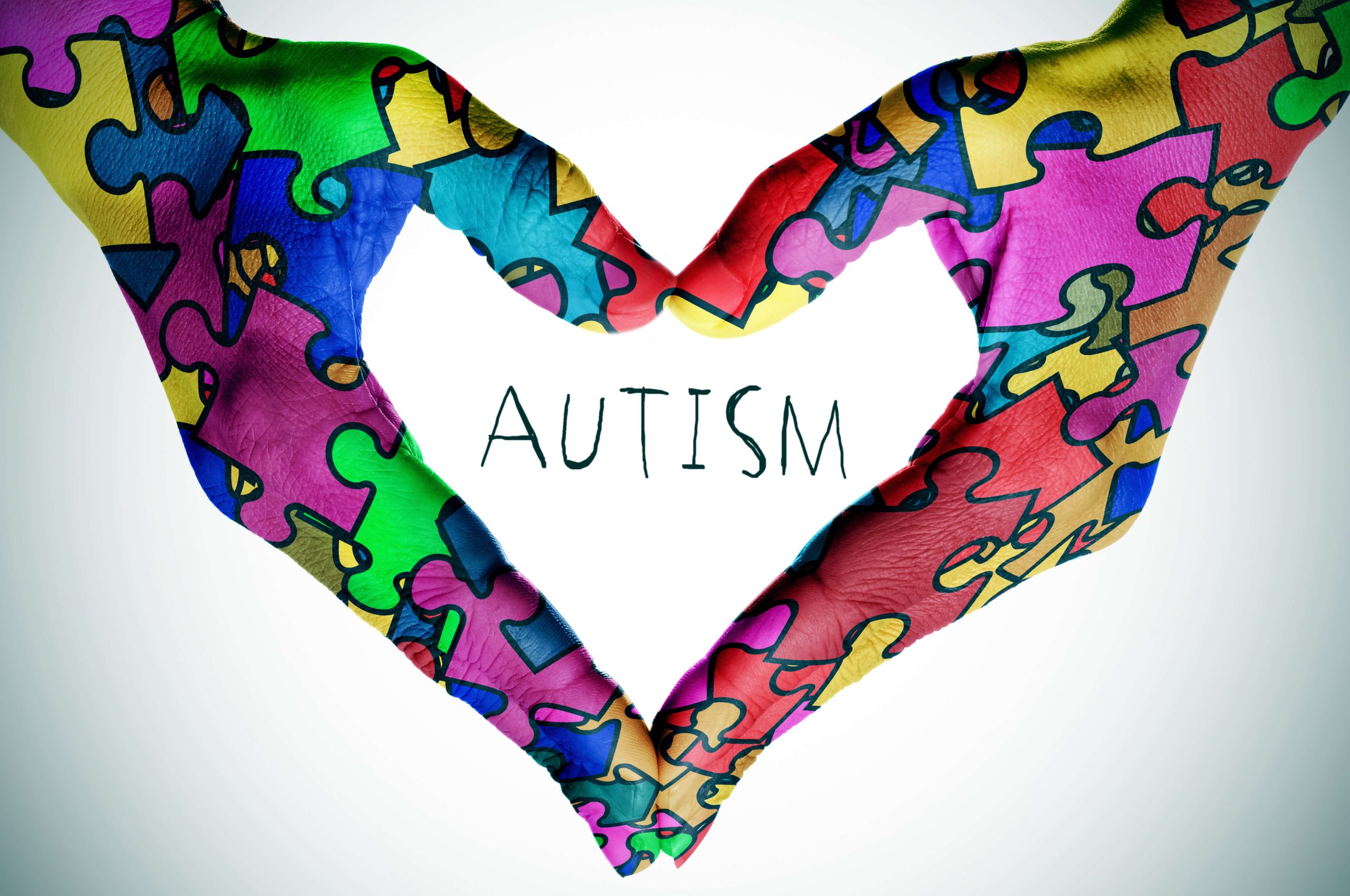
Each April, the world recognizes Autism Awareness Month, a time dedicated to increasing understanding, acceptance, and support for individuals with Autism Spectrum Disorder (ASD). While autism is primarily a neurodevelopmental condition, it is closely linked to mental health challenges, including anxiety, depression, and sensory processing issues.
At Overland IOP, we acknowledge the unique mental health needs of autistic individuals and emphasize the importance of specialized, compassionate care. This Autism Awareness Month, we aim to break the stigma surrounding autism and mental health while highlighting resources for effective treatment and support.

What is Autism Spectrum Disorder (ASD)?
Autism Spectrum Disorder (ASD) is a developmental condition that affects communication, social interaction, and behavior. Autism exists on a spectrum, meaning that each individual experiences different levels of support needs and abilities.
Common Characteristics of Autism:
- Challenges in social communication (difficulty with verbal and non-verbal cues)
- Repetitive behaviors and a strong preference for routines
- Sensory sensitivities (strong reactions to sounds, textures, or lights)
- Deep focus on specific interests or activities
- Difficulties with change and transitions
While autism is not a mental illness, individuals with ASD are at a higher risk of experiencing mental health challenges.
The Link Between Autism and Mental Health
Research has shown that autistic individuals are more likely to experience mental health conditions compared to the general population. Studies indicate that:
- 70% of autistic individuals experience at least one mental health disorder.
- 40% have co-occurring anxiety disorders, such as generalized anxiety disorder (GAD), social anxiety, or obsessive-compulsive disorder (OCD).
- Depression is twice as common in autistic individuals compared to neurotypical individuals.
- Suicidal thoughts and self-harm occur at higher rates in individuals with autism, especially when mental health needs go untreated.
Why Are Mental Health Challenges More Common in Autism?
There are several factors that contribute to the high prevalence of mental health struggles in individuals with ASD:
- Social Isolation: Many autistic individuals struggle with forming and maintaining relationships, which can lead to loneliness, depression, and anxiety.
- Bullying & Discrimination: Studies show that autistic children and adults are more likely to experience bullying, exclusion, and workplace discrimination, increasing mental health stressors.
- Sensory Overload & Stress: Many autistic individuals experience intense sensory sensitivities, leading to chronic stress and anxiety in overwhelming environments.
- Masking & Burnout: Autistic individuals often engage in “masking” (suppressing autistic traits to fit into neurotypical spaces), which can lead to mental exhaustion, burnout, and emotional distress.
The Importance of Autism-Inclusive Mental Health Care
Traditional mental health treatment approaches are not always effective for autistic individuals. Many mental health professionals lack specialized training in autism, leading to misdiagnosis, ineffective therapy, or dismissive treatment.
At Overland IOP, we understand that autistic individuals require personalized, neurodiversity-affirming care. Our approach includes:
✅ Trauma-Informed and Sensory-Sensitive Therapy – Creating a comfortable environment for autistic individuals to process emotions and develop coping strategies.
✅ Specialized Anxiety and Depression Treatment – Addressing co-occurring mental health disorders that are common in autism.
✅ Cognitive Behavioral Therapy (CBT) Adaptations – Modifying therapy techniques to accommodate autistic thinking styles.
✅ Emotional Regulation & Coping Skills – Helping autistic individuals manage stress, anxiety, and sensory overload.
✅ Virtual & In-Person Therapy Options – Providing flexible treatment choices that suit individual comfort levels.

How Overland IOP Supports Autistic Individuals with Mental Health Challenges
At Overland IOP, we provide specialized care for individuals with autism and co-occurring mental health conditions. Our team is trained to recognize and support the unique needs of neurodivergent individuals, ensuring that treatment is effective, affirming, and empowering.
Our Mental Health Programs Include:
- Intensive Outpatient Program (IOP) – Structured mental health treatment that allows individuals to receive support while maintaining daily life activities.
- Partial Hospitalization Program (PHP) – A higher level of care for individuals facing significant mental health challenges.
- Group Therapy & Peer Support – Providing safe spaces for autistic individuals to connect, share experiences, and receive guidance.
- Individual Therapy – One-on-one counseling tailored to autistic individuals and their unique mental health needs.
- Family Therapy – Helping families understand autism and mental health while providing strategies for better communication and support.

Autistic individuals deserve access to high-quality, affirming mental health care. This Autism Awareness Month, we encourage individuals, families, and communities to:
🔹 Raise Awareness – Educate others on the connection between autism and mental health.
🔹 Advocate for Inclusive Care – Support policies that promote accessible and autism-friendly mental health treatment.
🔹 Prioritize Mental Health – If you or a loved one is autistic and struggling with mental health, seek specialized care that understands neurodivergent needs
Published: April 01, 2025
Last Updated: July 09, 2025




Published: February 14, 2026
Medication-Assisted Treatment (MAT): How It Works?
Summary: Medication-assisted treatment (MAT) is an evidence-based approach to addiction treatment that combines FDA-approved medications with behavioral therapy and counseling to treat substance use disorders — primarily opioid and alcohol addiction. MAT is endorsed by the Substance Abuse and Mental Health Services Administration (SAMHSA), the National Institute on Drug Abuse (NIDA), and the World Health […]
Read more
Published: February 06, 2026
Talk Therapy: Types, Benefits & How It Works in California
Summary: Talk therapy — also known as psychotherapy — is a structured, evidence-based treatment approach in which a trained mental health professional helps individuals identify, understand, and change the thoughts, emotions, and behaviors that contribute to mental health conditions and substance use disorders. It is the foundation of treatment for depression, anxiety, PTSD, personality disorders, […]
Read more
Published: January 27, 2026
What Is DPD? Understanding Dependent Personality Disorder
Most people don’t ask, “What is DPD or Dependent Personality Disorder?” They come in feeling drained, anxious, and stuck in relationships that feel restrictive yet hard to leave. Being alone feels unsettling. Decision-making feels paralyzing. Reassurance becomes a daily necessity rather than a comfort. At Overland IOP in Los Angeles, we often see Dependent Personality […]
Read more