


Understanding the Causes of Substance Abuse: Why Addiction Happens?
Substance abuse is a complex issue that affects millions of people across the United States. While addiction is often perceived as a personal failing, the reality is that substance use disorders (SUDs) stem from multiple factors, including biological, psychological, environmental, and social influences.
At Overland IOP, we believe that understanding the root causes of addiction is crucial to breaking the cycle of substance abuse. By recognizing the underlying factors, individuals can seek effective treatment and develop healthier coping strategies.

The Main Causes of Substance Abuse
1. Genetic and Biological Factors
Research shows that genetics play a significant role in addiction. According to the National Institute on Drug Abuse (NIDA):
- 50% of a person’s risk for addiction is hereditary.
- Individuals with a family history of substance abuse are more likely to struggle with addiction themselves.
Additionally, some people have brain chemistry that makes them more prone to addiction. Drugs and alcohol affect the brain’s dopamine system, leading to increased pleasure and reinforcing substance use. Over time, repeated use alters brain function, making it harder to stop.
2. Mental Health Disorders (Dual Diagnosis)
Substance abuse is strongly linked to mental health conditions, including:
- Depression
- Anxiety
- Post-Traumatic Stress Disorder (PTSD)
- Bipolar Disorder
- Schizophrenia
Many people use drugs or alcohol as a way to self-medicate their mental health symptoms. For example:
- Someone with anxiety may use alcohol to calm their nerves.
- A person with depression may turn to stimulants for temporary energy.
This creates a dangerous cycle where substance use worsens mental health, leading to increased dependence and addiction. At Overland IOP, we specialize in dual diagnosis treatment, addressing both mental health and addiction for lasting recovery.
3. Environmental and Social Influences
The environment a person grows up in can have a profound impact on their likelihood of developing a substance use disorder.
- Family Environment:
- Exposure to parental substance abuse increases the risk of addiction.
- Childhood neglect, abuse, or trauma can lead to substance use as a coping mechanism.
- Peer Pressure and Social Circles:
- Young adults and teens are especially vulnerable to peer influence.
- If substance use is normalized in social settings, individuals may feel pressured to participate.
- Accessibility of Drugs and Alcohol:
- Living in an area where substances are readily available increases the risk of addiction.
- In California, the rise in fentanyl and opioid availability has contributed to increased overdose deaths.
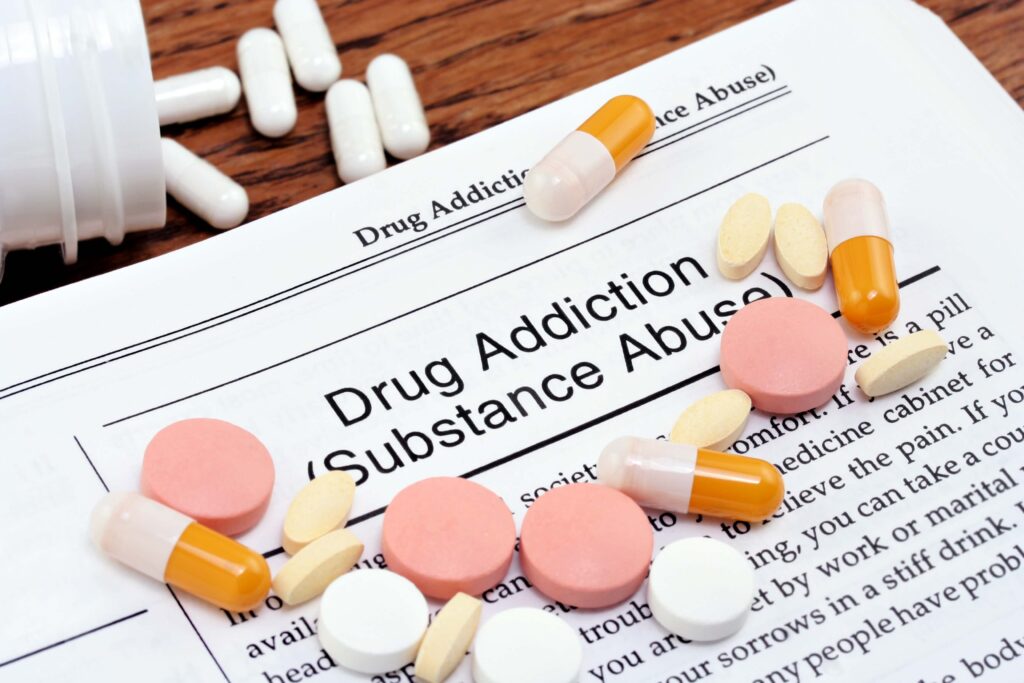
4. Trauma and Adverse Childhood Experiences (ACEs)
Experiencing trauma is one of the leading causes of addiction. Traumatic experiences may include:
- Physical or sexual abuse
- Domestic violence
- Loss of a loved one
- Natural disasters or war
People who experience trauma often struggle with emotional pain and PTSD, leading them to use substances as a means of escape. Studies show that individuals with four or more Adverse Childhood Experiences (ACEs) are four times more likely to develop a substance use disorder.
5. Chronic Stress and Life Pressures
Long-term stress can drive individuals to substance use as a way to cope with overwhelming emotions. Common stressors include:
- Work-related stress
- Financial struggles
- Relationship problems
- Homelessness or housing instability
When healthy coping skills are not in place, drugs and alcohol may become an unhealthy outlet for relief. Over time, this leads to dependence and addiction.
Breaking the Cycle of Addiction with Overland IOP
Substance abuse is not a moral failure—it is a complex disease influenced by multiple factors. The good news is that treatment works.
At Overland IOP, we provide a comprehensive and evidence-based approach to addiction recovery, addressing the root causes of substance use. Our programs include:
- Dual Diagnosis Treatment – Treating both mental health disorders and addiction for long-term recovery.
- Trauma-Informed Therapy – Helping clients heal from past trauma that may have led to substance use.
- Cognitive Behavioral Therapy (CBT) and Dialectical Behavior Therapy (DBT) – Teaching healthy coping mechanisms.
- Group and Individual Therapy – Providing support and connection to break the cycle of addiction.
- Outpatient and Virtual Treatment Options – Offering flexible care for individuals balancing work and family life.
Understanding why addiction happens is the first step toward recovery and healing. If you or a loved one is struggling with substance abuse, you are not alone. Overland IOP is here to help.
Recovery is possible. Let us help you reclaim your life.
Published: March 22, 2025
Last Updated: August 24, 2025




Published: April 01, 2026
IOP for Bipolar Disorder in Los Angeles, California
Bipolar disorder affects approximately 4.4% of U.S. adults at some point in their lives, according to the National Institute of Mental Health. It is one of the most complex mood disorders to treat because it involves cycling between distinct emotional states (depressive episodes, manic or hypomanic episodes, and mixed episodes) each requiring different clinical approaches. […]
Read more
Published: March 28, 2026
IOP Program for Anxiety in Los Angeles
Anxiety disorders affect roughly 40 million adults in the United States each year, making them the most common category of mental health conditions in the country. Yet fewer than 37% of people with anxiety disorders receive treatment, according to the National Institute of Mental Health. Many of those who do seek help start with weekly […]
Read more
Published: March 03, 2026
Narcissistic Personality Disorder Treatment in Los Angeles: IOP and PHP Programs
Summary: Narcissistic personality disorder (NPD) is a Cluster B personality disorder characterized by a pervasive pattern of grandiosity, need for admiration, lack of empathy, and fragile self-esteem that causes significant impairment in relationships, work, and emotional wellbeing. NPD affects an estimated 0.5% to 6.2% of the U.S. population and is significantly underdiagnosed because individuals with […]
Read more