


Medications That Can Lead to False Positive Methamphetamine Drug Test Results
Summary: Medications That Can Lead to False Positive Methamphetamine Drug Test Results
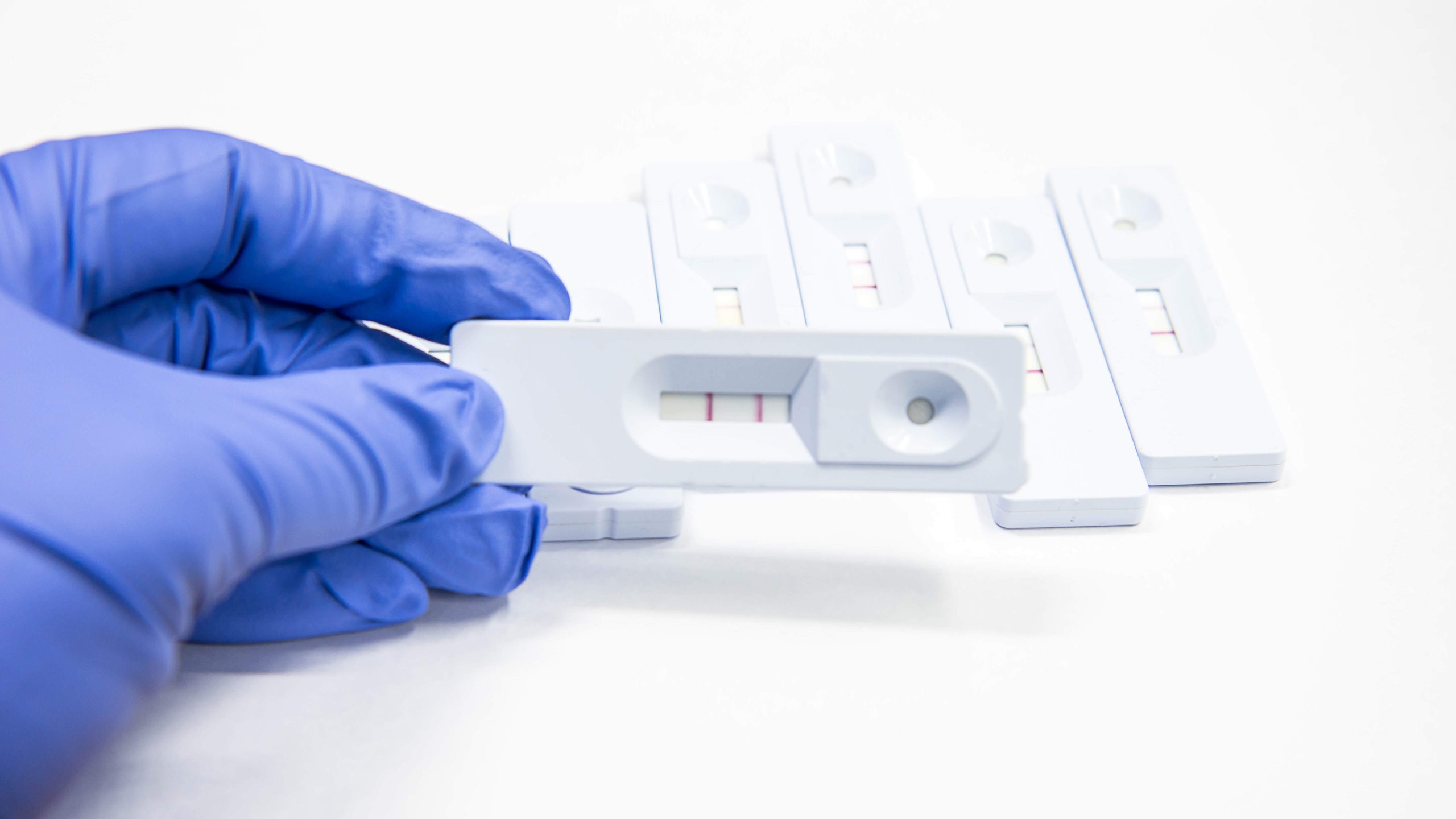
A false positive methamphetamine drug test occurs when a urine screening indicates the presence of methamphetamine even though the individual has not used the drug. This happens because immunoassay drug tests detect chemical structures similar to methamphetamine, and several common prescription and over-the-counter medications — including pseudoephedrine (Sudafed), bupropion (Wellbutrin), certain ADHD medications, and some antipsychotics — can trigger a positive result. If you receive an unexpected positive result, confirmatory testing with gas chromatography-mass spectrometry (GC-MS) can distinguish between actual methamphetamine use and a medication-related false positive. At Overland IOP in Los Angeles, our clinical team helps patients in addiction and mental health treatment navigate drug testing, medication management, and substance use monitoring as part of our outpatient programs.
Drug tests are commonly used to screen individuals for the presence of illicit substances in their system. However, it’s important to note that these tests are not foolproof and can sometimes yield false positive results. A false positive occurs when a drug screening indicates the presence of a substance, such as methamphetamine, when in reality, the individual has not consumed the drug. One potential cause of false positive results is the presence of certain medications that can trigger a positive reading for methamphetamine. Understanding which medications can lead to false positive results is crucial for individuals undergoing drug testing to avoid unnecessary confusion and potential consequences.

Medications Associated with False Positive Methamphetamine Results:
- Amphetamines and Related Stimulant Medications:
- Medications containing amphetamines or related stimulant compounds, such as Adderall (used for ADHD), can produce false positive results for methamphetamine on drug tests. These medications have similar chemical structures to methamphetamine and can cross-react with the screening tests.
- Over-the-Counter Decongestants and Cold Medications:
- Certain over-the-counter decongestants and cold medications, such as pseudoephedrine (found in products like Sudafed), can result in false positive methamphetamine readings. Pseudoephedrine is chemically similar to methamphetamine and can trigger a positive response in drug tests.
- Prescription Medications for Nasal Conditions:
- Prescription medications used for nasal conditions, like nasal sprays containing levomethamphetamine (a component of some nasal decongestants), can potentially lead to false positive results for methamphetamine. The presence of levomethamphetamine can be misinterpreted as methamphetamine in drug screenings.
- Antidepressant and Antipsychotic Medications:
- Some antidepressant and antipsychotic medications, such as bupropion (Wellbutrin) and certain antipsychotics (e.g., quetiapine, aripiprazole), have been reported to cause false positive methamphetamine results. However, such instances are relatively rare and require confirmation through confirmatory testing methods.
Consultation with Medical Professionals:
If you are taking any of the aforementioned medications or any other substances that might trigger a false positive methamphetamine result, it is crucial to inform the testing personnel or medical professionals conducting the drug test about your medication usage. This information can help them interpret the results accurately and potentially perform confirmatory testing to rule out false positives.

Confirmatory Testing and Additional Steps:

In cases where a false positive methamphetamine result is obtained, it is essential to request confirmatory testing, such as gas chromatography-mass spectrometry (GC-MS) or liquid chromatography-tandem mass spectrometry (LC-MS/MS). These methods can provide more accurate and reliable results, helping to clarify any potential false positives.
FAQs: Medications That Can Lead to False Positive Methamphetamine Drug Test Results
FAQ1: What medications can cause a false positive for methamphetamine?
Several prescription and over-the-counter medications can trigger a false positive methamphetamine result on a urine drug screen. The most commonly reported include pseudoephedrine (Sudafed), bupropion (Wellbutrin), labetalol (a blood pressure medication), trazodone, chlorpromazine, promethazine, and Vicks VapoInhaler — which contains l-methamphetamine, a non-psychoactive isomer of methamphetamine. ADHD medications containing amphetamine salts, such as Adderall, can also cross-react with methamphetamine on immunoassay screening tests. If you are taking any of these medications and are required to take a drug test, inform the testing provider beforehand and request confirmatory testing if needed. PubMed — Commonly Prescribed Medications and Potential False-Positive Urine Drug Screens
FAQ2: Can Wellbutrin cause a false positive for meth?
Yes. Bupropion (brand name Wellbutrin) is one of the most frequently reported prescription medications associated with false positive methamphetamine and amphetamine results on immunoassay urine drug screens. Bupropion’s chemical structure is similar enough to amphetamine compounds that the screening antibodies can cross-react, producing a positive result. However, confirmatory testing with GC-MS will correctly identify bupropion and rule out actual methamphetamine use. If you are prescribed bupropion for depression, smoking cessation, or another condition, always disclose this to the testing provider before submitting a sample. Psychiatrist.com — False Positive Methamphetamine Urinalysis Case Report
FAQ3: How do you dispute a false positive drug test result?
If you receive a false positive methamphetamine result, the most important step is to request confirmatory testing — specifically gas chromatography-mass spectrometry (GC-MS) or liquid chromatography-tandem mass spectrometry (LC-MS/MS). These tests are far more accurate than the initial immunoassay screening and can distinguish between methamphetamine and structurally similar medications. You should also provide a complete list of all prescription and over-the-counter medications you are currently taking, including nasal decongestants and supplements. If the false positive occurs in an employment or legal context, you may have the right to a retest at a certified laboratory. MedlinePlus — Drug Testing
FAQ4: Can over-the-counter cold medicine cause a positive meth test?
Yes. Over-the-counter decongestants containing pseudoephedrine (Sudafed, Claritin-D) or phenylephrine are among the most common causes of false positive methamphetamine readings on urine drug screens. Pseudoephedrine is chemically similar to methamphetamine and is in fact a precursor chemical used in illicit meth production, which is why it can easily cross-react with immunoassay tests. Additionally, the Vicks VapoInhaler contains l-methamphetamine — a legal, non-psychoactive form of methamphetamine — which can also trigger a positive result. Confirmatory testing can distinguish these medications from illicit drug use. Drugs.com — Medications That Cause False Positives for Methamphetamine
FAQ5: What is the difference between a drug screening and a confirmatory drug test?
A drug screening (also called a presumptive test) is an initial immunoassay-based test that uses antibodies to detect drug metabolites in urine. It is fast, inexpensive, and widely used for employment, legal, and clinical purposes — but it cannot distinguish between structurally similar substances and is prone to false positives. A confirmatory test, such as GC-MS or LC-MS/MS, uses advanced laboratory methods to identify the exact chemical compound present in the sample. Confirmatory tests are more accurate, more expensive, and can differentiate between medications like bupropion and actual methamphetamine. Any positive screening result should be followed by confirmatory testing before conclusions are drawn. GoodRx — Medications That Can Cause False Positive Drug Tests
FAQ6: How does Overland IOP handle drug testing during treatment?
At Overland IOP in Los Angeles, drug testing may be used as part of outpatient treatment for substance use disorders to monitor progress and support accountability. Our clinical team understands that false positives can occur — especially for patients taking prescribed medications such as antidepressants, ADHD medication, or nasal decongestants. When a test result is unexpected, our staff reviews the patient’s full medication list and clinical history, and can order confirmatory testing when needed. Drug testing at Overland IOP is integrated into a comprehensive treatment plan that includes individual therapy, group therapy, and medication management, with the goal of supporting safe, transparent recovery.
FAQ7: What should I do if I test positive for meth but don’t use drugs?
If you receive a positive methamphetamine result and have not used the drug, stay calm and take the following steps. First, request a confirmatory test — GC-MS or LC-MS/MS testing can accurately determine whether the substance detected is methamphetamine or a cross-reacting medication. Second, provide a complete list of all medications you are currently taking, including prescriptions, over-the-counter drugs, supplements, and nasal inhalers. Third, if the test was for employment or legal purposes, you may be entitled to a Medical Review Officer (MRO) review, where a trained physician evaluates the results in context before a final determination is made. A false positive does not mean you have a substance use problem — but if you have concerns about your relationship with substances, outpatient treatment programs like Overland IOP in Los Angeles can provide confidential assessments and support. SAMHSA — Find Help: National Helpline

A false positive drug test result does not mean you have a substance use problem — but a positive result that is accurate may be the sign that it’s time to seek support.
If you or someone you love is struggling with methamphetamine use, prescription drug misuse, or a co-occurring mental health condition, outpatient treatment can help. Overland IOP in Los Angeles is currently accepting new patients for both in-person and virtual Intensive Outpatient (IOP) and Partial Hospitalization (PHP) programs. Our clinical team provides individualized treatment plans that include individual and group therapy, medication management, and relapse prevention — all within a flexible schedule that allows you to continue your daily responsibilities. Most major insurance plans are accepted.
Published: May 12, 2023
Last Updated: February 15, 2026




Published: April 01, 2026
IOP for Bipolar Disorder in Los Angeles, California
Bipolar disorder affects approximately 4.4% of U.S. adults at some point in their lives, according to the National Institute of Mental Health. It is one of the most complex mood disorders to treat because it involves cycling between distinct emotional states (depressive episodes, manic or hypomanic episodes, and mixed episodes) each requiring different clinical approaches. […]
Read more
Published: March 28, 2026
IOP Program for Anxiety in Los Angeles
Anxiety disorders affect roughly 40 million adults in the United States each year, making them the most common category of mental health conditions in the country. Yet fewer than 37% of people with anxiety disorders receive treatment, according to the National Institute of Mental Health. Many of those who do seek help start with weekly […]
Read more
Published: March 03, 2026
Narcissistic Personality Disorder Treatment in Los Angeles: IOP and PHP Programs
Summary: Narcissistic personality disorder (NPD) is a Cluster B personality disorder characterized by a pervasive pattern of grandiosity, need for admiration, lack of empathy, and fragile self-esteem that causes significant impairment in relationships, work, and emotional wellbeing. NPD affects an estimated 0.5% to 6.2% of the U.S. population and is significantly underdiagnosed because individuals with […]
Read more