


IOP Program Requirements: What to Expect?
If you’re exploring an Intensive Outpatient Program (IOP), one of the first questions that usually comes up is simple but important: Do I qualify—and what does an IOP actually require? At Overland IOP, IOP is designed for people who need structured, consistent support for mental health and/or substance use—but who don’t require 24/7 residential care. The program is intentionally built to work with real life, not against it. Understanding IOP programs requirements ahead of time can make starting treatment feel clearer and far less intimidating.

What Is an IOP Program?
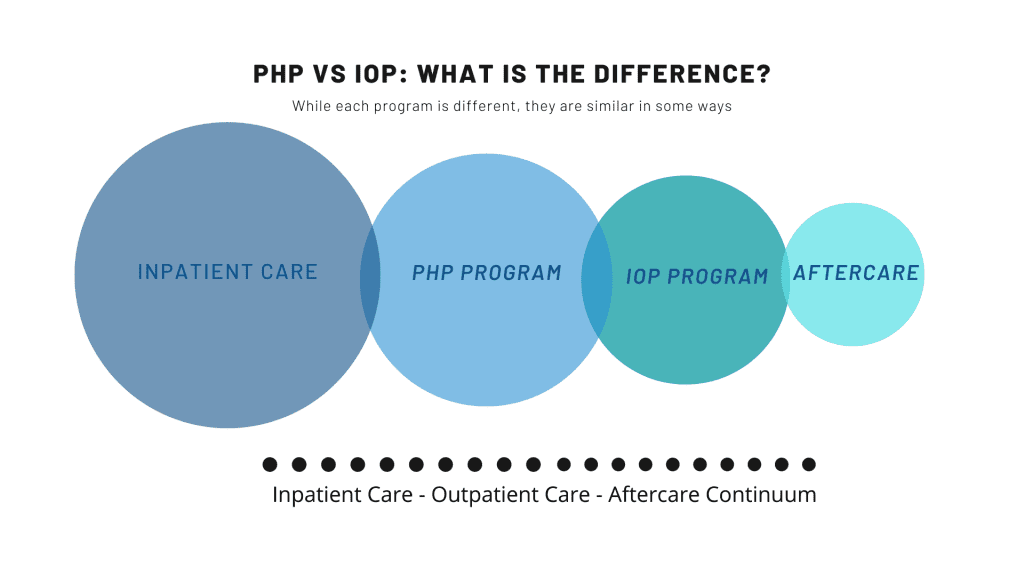
An Intensive Outpatient Program sits between weekly outpatient therapy and inpatient or residential treatment.
At Overland IOP, clients attend structured therapy sessions multiple days per week while continuing to live at home. This allows individuals to receive meaningful clinical support while maintaining responsibilities such as work, school, or family.
IOP is often used as:
- a step-down from residential or PHP treatment
- a step-up from traditional outpatient therapy
- a primary level of care for people who need more support but do not require inpatient stabilization
Who Is a Good Fit for IOP?
IOP is not one-size-fits-all, and admission is based on clinical appropriateness rather than rigid rules.
At Overland IOP, clients are typically a good fit if they:
- are medically and psychiatrically stable
- do not require 24-hour supervision or detox
- are motivated to participate in structured therapy several times per week
- can safely live at home or in a supportive environment
Many clients seek IOP support for anxiety, depression, trauma, mood disorders, substance use, or co-occurring conditions. Others enter IOP after completing a higher level of care and want continued structure as they transition back into daily life.
Core IOP Program Requirements
While each client’s treatment plan is individualized, Overland IOP has several consistent participation expectations that help create stability and progress.
Clients are expected to attend scheduled treatment sessions consistently. IOP typically involves multiple therapy days per week, with each day including several hours of clinical programming. This consistency is essential—it’s what differentiates IOP from standard outpatient therapy.
Active participation is also a core requirement. Group therapy is a major component of Overland IOP, and clients are encouraged to engage honestly, respectfully, and thoughtfully. Individual therapy sessions support deeper personal work and help tailor treatment goals.
Clients must also be willing to follow treatment recommendations, including care coordination, medication management when applicable, and safety planning. Overland’s clinical team works collaboratively with each client, but participation and follow-through are key parts of the process.
Mental Health and Substance Use Considerations
Overland IOP works with both mental health and substance use concerns, including co-occurring conditions.
For clients with substance use concerns, IOP generally requires:
- sobriety during program hours
- commitment to recovery-oriented goals
- openness to relapse-prevention work
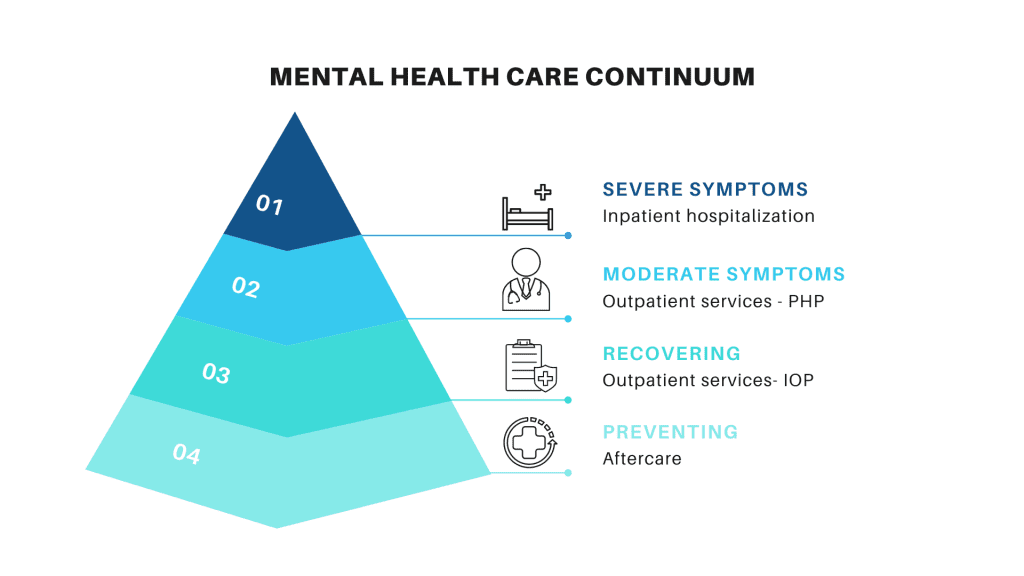
For mental health clients, IOP is appropriate when symptoms are impactful but manageable without inpatient care. Clients experiencing acute psychosis, severe suicidal risk, or medical instability may be referred to a higher level of care first.
Admissions assessments help determine whether IOP is the safest and most effective starting point.
IOP Program Requirements: Insurance and Admission Requirements
Most clients begin with a confidential admissions assessment, which helps determine:
- clinical appropriateness for IOP
- recommended frequency of attendance
- insurance coverage and benefits
Overland IOP works with many insurance providers, and the admissions team helps verify benefits and explain coverage before treatment begins.
There is no expectation that clients “have everything figured out” before reaching out. The admissions process is designed to clarify options, not create pressure.
IOP Program Requirements: In-Person Care in Los Angeles & Virtual IOP Across California
One of the most important advantages of Overland IOP is flexibility in how and where care is delivered.
Overland IOP offers in-person Intensive Outpatient Program services in Los Angeles, as well as virtual IOP programs available to clients throughout California. Both options follow the same clinical standards, therapeutic structure, and participation requirements, allowing clients to receive consistent, high-quality care in a format that fits their lives.
For clients who benefit from face-to-face connection, in-person IOP in Los Angeles provides direct access to clinicians, group therapy, and a supportive treatment environment. Many people find that being physically present helps with accountability, routine, and connection—especially during early recovery or periods of heightened symptoms.
At the same time, virtual IOP makes treatment accessible to individuals who cannot regularly attend in person due to distance, work schedules, health considerations, or caregiving responsibilities. Clients participating in virtual IOP are still expected to attend scheduled sessions consistently, engage actively in group and individual therapy, and meet the same clinical participation requirements as in-person clients.
Federal guidance supports both formats. According to the Substance Abuse and Mental Health Services Administration (SAMHSA), telehealth delivery of outpatient behavioral health services—including intensive outpatient care—is an effective and appropriate option when clinical structure and engagement are maintained.
Similarly, the California Department of Health Care Services (DHCS) recognizes telehealth as a valid modality for substance use and mental health treatment when provided by licensed programs and clinicians.
For many clients, the ability to choose between in-person IOP in Los Angeles and virtual IOP anywhere in California removes a major barrier to starting treatment. Rather than delaying care due to logistics, clients can begin support in the format that best fits their current situation—and transition between formats if clinically appropriate.
The requirement is not where you attend from, but how you participate. Consistency, engagement, and commitment to the therapeutic process remain central to success in both settings.
What IOP Is Not
IOP is not a crisis-stabilization program, and it is not meant to replace inpatient care when higher support is needed.
It also isn’t passive therapy. The structure works best when clients are willing to show up, engage, and apply what they’re learning outside of sessions. Growth happens both in treatment and in real life—IOP bridges those two worlds.
Why Many Clients Choose Overland IOP
Clients often choose Overland IOP because the program balances clinical depth with flexibility.
Treatment is structured, but not rigid. Supportive, but not intrusive. The focus is on helping clients build coping skills, emotional regulation, insight, and stability they can actually use in daily life.
For many people, IOP becomes the space where progress finally feels sustainable.


If you’re wondering whether an IOP program is right for you, the best place to start is a conversation.
Overland IOP’s admissions team can help determine whether the program fits your needs, answer questions about requirements, and guide you toward the appropriate level of care.
You don’t have to be in crisis to benefit from IOP. You just have to be ready for support that’s structured, intentional, and designed for real life.
Published: January 18, 2026
Last Updated: February 15, 2026




Published: May 01, 2026
IOP for Substance Abuse and Co-Occurring Disorders in Los Angeles, California
Substance use disorders do not develop in a vacuum. Behind nearly every addiction, whether to alcohol, opioids, benzodiazepines, methamphetamine, cocaine, or prescription medications, there is an underlying mental health condition that either precipitated the substance use, emerged alongside it, or was worsened by it. According to the National Institute on Drug Abuse, approximately half of […]
Read more
Published: April 11, 2026
IOP for OCD in Los Angeles, California
Obsessive-compulsive disorder affects approximately 2.5 million adults in the United States, yet it is one of the most misunderstood and undertreated mental health conditions. People with OCD experience intrusive, unwanted thoughts (obsessions) that produce intense anxiety, followed by repetitive behaviors or mental rituals (compulsions) performed to reduce that anxiety. The cycle is self-reinforcing: compulsions provide […]
Read more
Published: April 01, 2026
IOP for Bipolar Disorder in Los Angeles, California
Bipolar disorder affects approximately 4.4% of U.S. adults at some point in their lives, according to the National Institute of Mental Health. It is one of the most complex mood disorders to treat because it involves cycling between distinct emotional states (depressive episodes, manic or hypomanic episodes, and mixed episodes) each requiring different clinical approaches. […]
Read more