


Suicidal Ideation ICD 10 CM Code R45.851
Suicidal ideation, also known as suicidal thoughts, concerns thoughts about or an unusual preoccupation with suicide. The range of suicidal ideation varies greatly from fleeting thoughts to extensive thoughts to detailed planning, role-playing (e.g., standing on a chair with a noose), and incomplete attempts, which may be deliberately constructed to not complete or to be discovered, or maybe fully intended to result in death. Still, the individual survives (e.g., in the case of a hanging in which the cord breaks). According to Suicidal Ideation ICD-10-CM Code R45.851 guidelines, this code should not be used as a principal diagnosis code when a related definitive diagnosis has been established.

Suicidal Ideation ICD 10 CM Code R45.851
R45.851 is a billable diagnosis code used to specify a medical diagnosis of suicidal ideations. The code R45.851 is valid during the fiscal year 2021 from October 01, 2020, through September 30, 2021, for the submission of HIPAA-covered transactions.
The ICD-10-CM code R45.851 might also be used to specify conditions or terms like being at risk for suicide, feeling suicidal, has access to planned means of suicide, high suicide risk, low suicide risk, moderate suicide risk, etc.
Approximate Synonyms
The following clinical terms are approximate synonyms or lay terms that might be used to identify the correct diagnosis code:
- At risk for suicide
- Feeling suicidal
- Has access to planned means of suicide
- High suicide risk
- Low suicide risk
- Moderate suicide risk
- Planning suicide
- Suicidal
- Suicidal behavior
- Suicidal intent
- Suicidal thoughts
- Thoughts of self-harm
- Threatening suicide
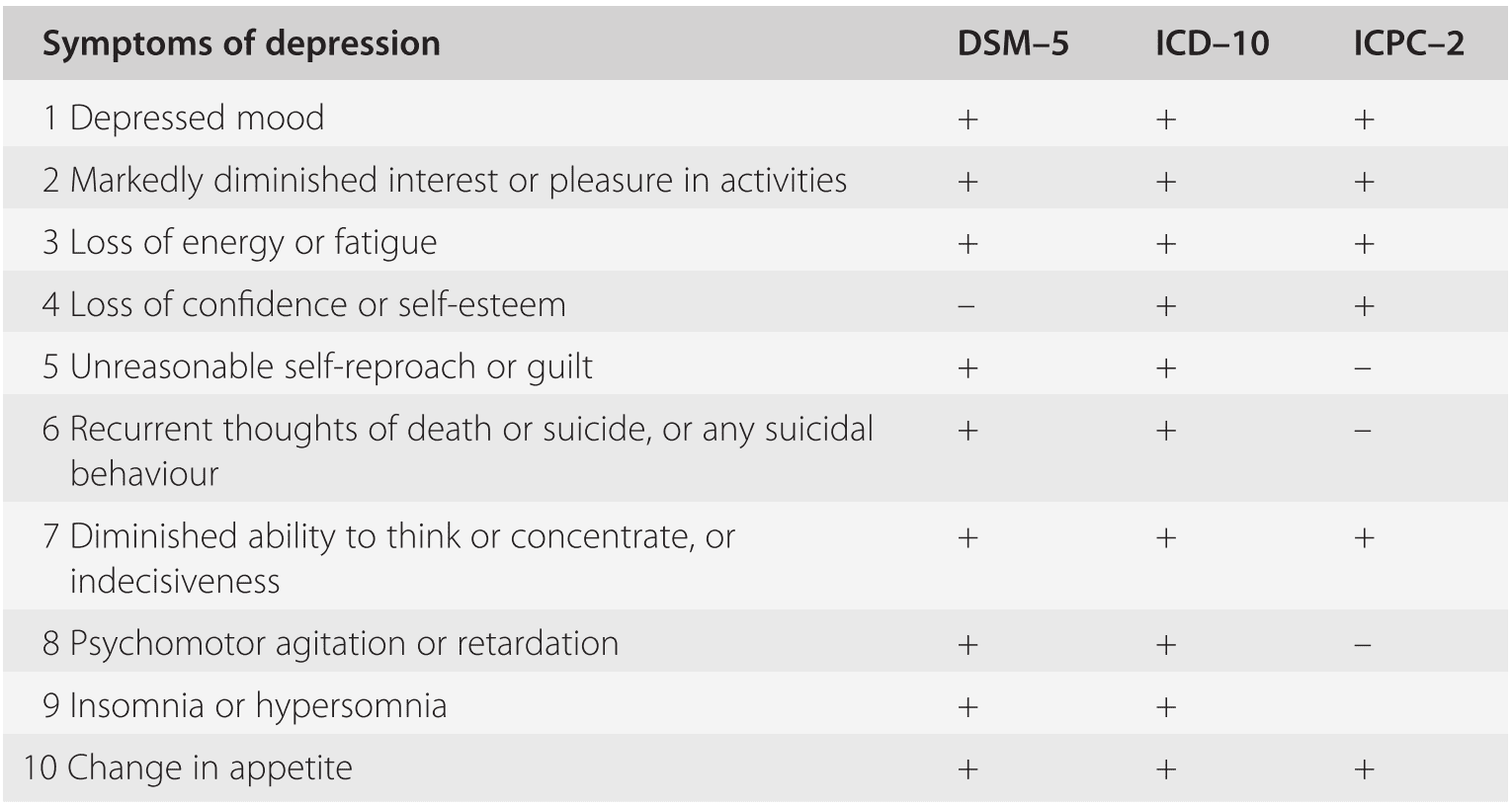
Clinical Information
SUICIDAL IDEATION – a risk factor for suicide attempts and completions—is the most common of all suicidal behavior, but only a minority of idolators engage in self-harm.
Information for Patients
Suicide is the tenth most common cause of death in the United States. People may consider suicide when they are hopeless and can’t see any other solution to their problems. Often it’s related to serious depression, alcohol or substance abuse, or a major stressful event.
People who have the highest risk of suicide are white men. But women and teens report more suicide attempts. If someone talks about suicide, you should take it seriously. Urge them to get help from their doctor or the emergency room, or call the National Suicide Prevention Lifeline at 1-800-273-TALK (8255). It is available 24/7.
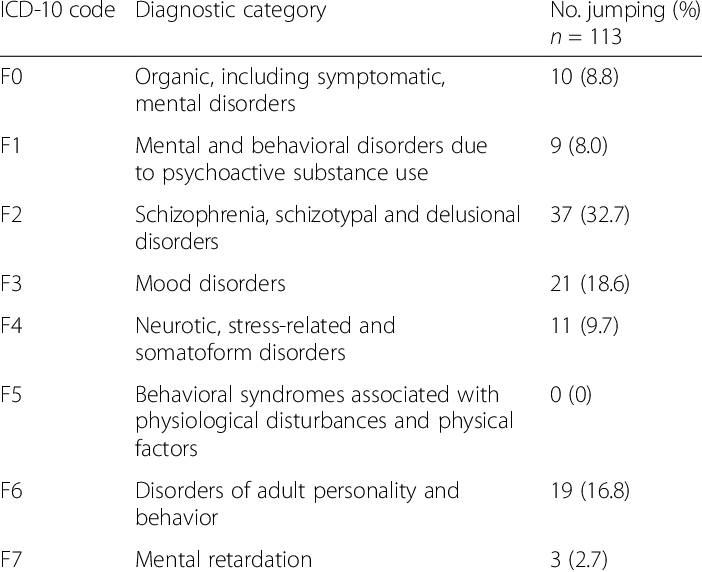
Suicidal Ideation 2021 ICD-10-CM Diagnosis Code R45.851
R45.851 is a billable/specific ICD-10-CM code that can be used to indicate a diagnosis for reimbursement purposes.
The 2021 edition of ICD-10-CM R45.851 became effective on October 1, 2020.
This is the American ICD-10-CM version of R45.851 – other international versions of ICD-10 R45.851 may differ.
https://9b3df237041b4baa12c637679a12f872.safeframe.googlesyndication.com/safeframe/1-0-38/html/container.htmlThe following code(s) above R45.851 contain annotation back-references that may be applicable to R45.851:
- R00-R99 Symptoms, signs and abnormal clinical and laboratory findings, not elsewhere classified
- R40-R46 Symptoms and signs involving cognition, perception, emotional state and behavior
- R45.85 Homicidal and suicidal ideations
Convert V62.84 to ICD-10
V62.84 is a legacy non-billable code used to specify a medical diagnosis of suicidal ideation. This code was replaced on September 30, 2015 by its ICD-10 equivalent.
The following crosswalk between ICD-9 to ICD-10 is based on the General Equivalence Mappings (GEMS) information:
- R45.851 – Suicidal ideations
You might also be interested in:
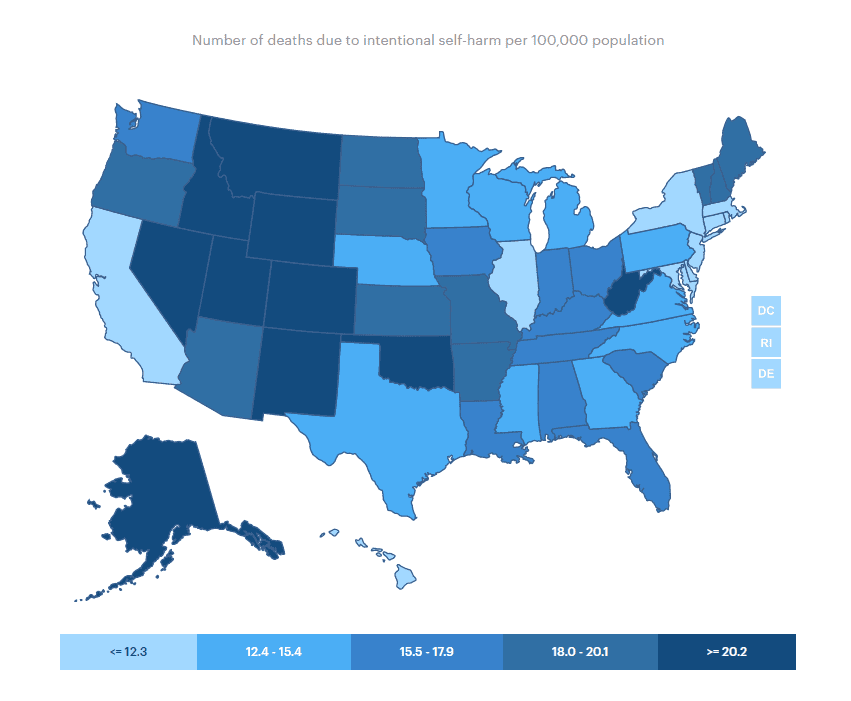
Suicide is the 10th leading cause of death in the United States and the 2nd leading cause of death in people between 10 and 34. The gravity of the situation can be seen in the fact that every 11 minutes, one person loses their life to suicide. If you are considering suicide or know of someone that feels suicidal, reach out for help and suicidal ideation treatment because you might save a life—your own or someone else’s.
Regrettably, stigma, religion, and other concerns prevent the reporting of many suicide cases. The real situation might therefore be even more dire than the data indicate. Populations with disproportionately high suicide rates include:
- Males have a suicide rate 3.7 times higher compared with females.
- American Indian/Alaska Native individuals have the highest suicide rates in the nation, followed by non-Hispanic white individuals. Suicide rates among Hispanic, Black, and Asian/Pacific Islander individuals are significantly lower than rates among American Indian/Alaska Native and white individuals.
- Older adults have a higher suicide rate when compared with younger adults and adolescents. By age and gender, the highest suicide rate is among males ages 65 and older, followed by males ages 45 to 54. Among females, those ages 45-54 have the highest rate, followed by those ages 55-64.
- Suicide rates among veterans were 1.5 times greater than non-veterans, after adjusting for age and gender in 2016.
- There is a difference between those residing in rural and urban areas.
- LGBTQ adults and youth are compared with heterosexual adults and youth.
Understanding the issues concerning suicide and mental health is a meaningful way to participate in suicide prevention, help others in crisis, and change the conversation around suicide. If you are having suicidal thoughts, contact the National Suicide Prevention Lifeline:
1-800-273-8255
1-888-628-9454 (En Español)
Published: September 21, 2020




Published: February 14, 2026
Medication-Assisted Treatment (MAT): How It Works?
Summary: Medication-assisted treatment (MAT) is an evidence-based approach to addiction treatment that combines FDA-approved medications with behavioral therapy and counseling to treat substance use disorders — primarily opioid and alcohol addiction. MAT is endorsed by the Substance Abuse and Mental Health Services Administration (SAMHSA), the National Institute on Drug Abuse (NIDA), and the World Health […]
Read more
Published: February 06, 2026
Talk Therapy: Types, Benefits & How It Works in California
Summary: Talk therapy — also known as psychotherapy — is a structured, evidence-based treatment approach in which a trained mental health professional helps individuals identify, understand, and change the thoughts, emotions, and behaviors that contribute to mental health conditions and substance use disorders. It is the foundation of treatment for depression, anxiety, PTSD, personality disorders, […]
Read more
Published: January 27, 2026
What Is DPD? Understanding Dependent Personality Disorder
Most people don’t ask, “What is DPD or Dependent Personality Disorder?” They come in feeling drained, anxious, and stuck in relationships that feel restrictive yet hard to leave. Being alone feels unsettling. Decision-making feels paralyzing. Reassurance becomes a daily necessity rather than a comfort. At Overland IOP in Los Angeles, we often see Dependent Personality […]
Read more