


Understanding Topical Steroid Withdrawal (TSW)
In recent years, the medical community and patients alike have become increasingly aware of a condition known as Topical Steroid Withdrawal (TSW). This phenomenon, which can occur in individuals who have used topical corticosteroids for extended periods, presents with a range of challenging symptoms that can significantly impact a person’s quality of life. As it emerges from the shadows of lesser-known medical issues, understanding TSW is more important than ever.
TSW, also recognized as Red Skin Syndrome, is not merely a skin condition; it’s a multi-faceted health challenge that can affect individuals both physically and emotionally.
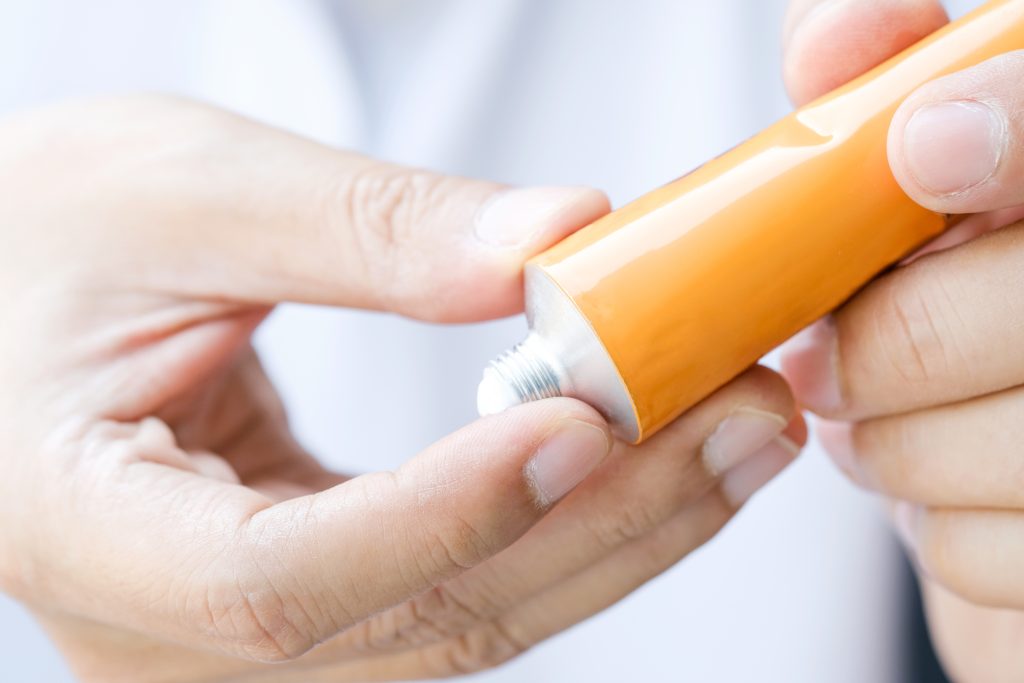
What is Topical Steroid Withdrawal?
Definition and Overview
TSW, also known as Red Skin Syndrome, occurs when the body becomes dependent on topical steroids. Originally developed as a treatment for various skin conditions, the overuse of these steroids can lead to TSW upon cessation.
Causes of TSW
The condition develops after prolonged or inappropriate use of topical steroids. The skin becomes reliant on these medications, leading to withdrawal symptoms when they’re discontinued.
Symptoms and Diagnosis of TSW
Identifying TSW Symptoms
Symptoms include redness, burning, and severe itching. Unlike typical skin conditions, TSW often presents with widespread redness and a distinct burning sensation.
The Process of Diagnosis
Diagnosing TSW is challenging as it mimics other skin conditions. A thorough medical history, particularly steroid use history, is crucial in diagnosis.
Impact and Complications
Physical and Psychological Impact
Physically, TSW can lead to painful, inflamed skin. Psychologically, it can cause distress, anxiety, and social withdrawal due to its appearance.
Potential Complications
Long-term TSW may lead to skin infections and sleep disturbances due to severe itching.
Treatment and Management Strategies
Medical Treatments
Treatment focuses on managing symptoms and includes non-steroidal medications. Consulting healthcare providers is essential for tailored treatment.
Lifestyle and Home Care
Skin care routines that include gentle cleansing and moisturizing are key. Lifestyle changes like stress reduction can also help manage symptoms.
Patient Stories and Support
Many have found solace in sharing their TSW journeys and connecting with others through support groups, highlighting the importance of community in managing this condition.
Conclusion
TSW is a challenging condition that requires a comprehensive approach for management. Understanding its nature, symptoms, and treatment options is crucial for those affected. For further information, consulting healthcare professionals and exploring additional resources is recommended.
What is Topical Steroid Withdrawal?
Definition and Overview
TSW, also known as Red Skin Syndrome, occurs when the body becomes dependent on topical steroids. Originally developed as a treatment for various skin conditions, the overuse of these steroids can lead to TSW upon cessation.
Causes of TSW
The condition develops after prolonged or inappropriate use of topical steroids. The skin becomes reliant on these medications, leading to withdrawal symptoms when they’re discontinued.
Symptoms and Diagnosis of TSW
Identifying TSW Symptoms
Symptoms include redness, burning, and severe itching. Unlike typical skin conditions, TSW often presents with widespread redness and a distinct burning sensation.
The Process of Diagnosis
Diagnosing TSW is challenging as it mimics other skin conditions. A thorough medical history, particularly steroid use history, is crucial in diagnosis.
Impact and Complications
Physical and Psychological Impact
Physically, TSW can lead to painful, inflamed skin. Psychologically, it can cause distress, anxiety, and social withdrawal due to its appearance.
Potential Complications
Long-term TSW may lead to skin infections and sleep disturbances due to severe itching.
Treatment and Management Strategies
Medical Treatments
Treatment focuses on managing symptoms and includes non-steroidal medications. Consulting healthcare providers is essential for tailored treatment.
Lifestyle and Home Care
Skin care routines that include gentle cleansing and moisturizing are key. Lifestyle changes like stress reduction can also help manage symptoms.
Patient Stories and Support
Many have found solace in sharing their TSW journeys and connecting with others through support groups, highlighting the importance of community in managing this condition.


As we reach the end of our comprehensive exploration of Topical Steroid Withdrawal, it’s clear that TSW is more than just a medical condition; it’s a journey that tests resilience, patience, and strength. For those facing this challenging path, remember, you are not alone. The road to recovery may be difficult, but it is paved with hope and support.
At Overlandiop.com, we are committed to being a part of your support system. Our platform doesn’t just offer information; it offers a community. We understand the physical, emotional, and mental toll TSW can take, and we strive to provide resources that not only educate but also uplift and empower. From the latest research and treatment options to personal stories of triumph and perseverance, we are here to ensure you have access to a wealth of knowledge and a community of support.
As you navigate through your TSW journey, hold onto hope and know that with the right information, support, and care, it is possible to manage this condition effectively and reclaim your quality of life.
Published: February 03, 2024
Last Updated: August 24, 2025



Published: May 01, 2026
IOP for Substance Abuse and Co-Occurring Disorders in Los Angeles, California
Substance use disorders do not develop in a vacuum. Behind nearly every addiction, whether to alcohol, opioids, benzodiazepines, methamphetamine, cocaine, or prescription medications, there is an underlying mental health condition that either precipitated the substance use, emerged alongside it, or was worsened by it. According to the National Institute on Drug Abuse, approximately half of […]
Read more
Published: April 11, 2026
IOP for OCD in Los Angeles, California
Obsessive-compulsive disorder affects approximately 2.5 million adults in the United States, yet it is one of the most misunderstood and undertreated mental health conditions. People with OCD experience intrusive, unwanted thoughts (obsessions) that produce intense anxiety, followed by repetitive behaviors or mental rituals (compulsions) performed to reduce that anxiety. The cycle is self-reinforcing: compulsions provide […]
Read more
Published: April 01, 2026
IOP for Bipolar Disorder in Los Angeles, California
Bipolar disorder affects approximately 4.4% of U.S. adults at some point in their lives, according to the National Institute of Mental Health. It is one of the most complex mood disorders to treat because it involves cycling between distinct emotional states (depressive episodes, manic or hypomanic episodes, and mixed episodes) each requiring different clinical approaches. […]
Read more